Shoah: A Tragic Chapter in History
Because remembering helps you not to forget
The past is a precious source of lessons, but only if we are willing to remember. This principle applies to every aspect of life, but becomes essential when it comes to human tragedies that have profoundly affected our history, such as the Holocaust. Remembering is not only a moral duty, but a collective responsibility to build a more informed and just future.
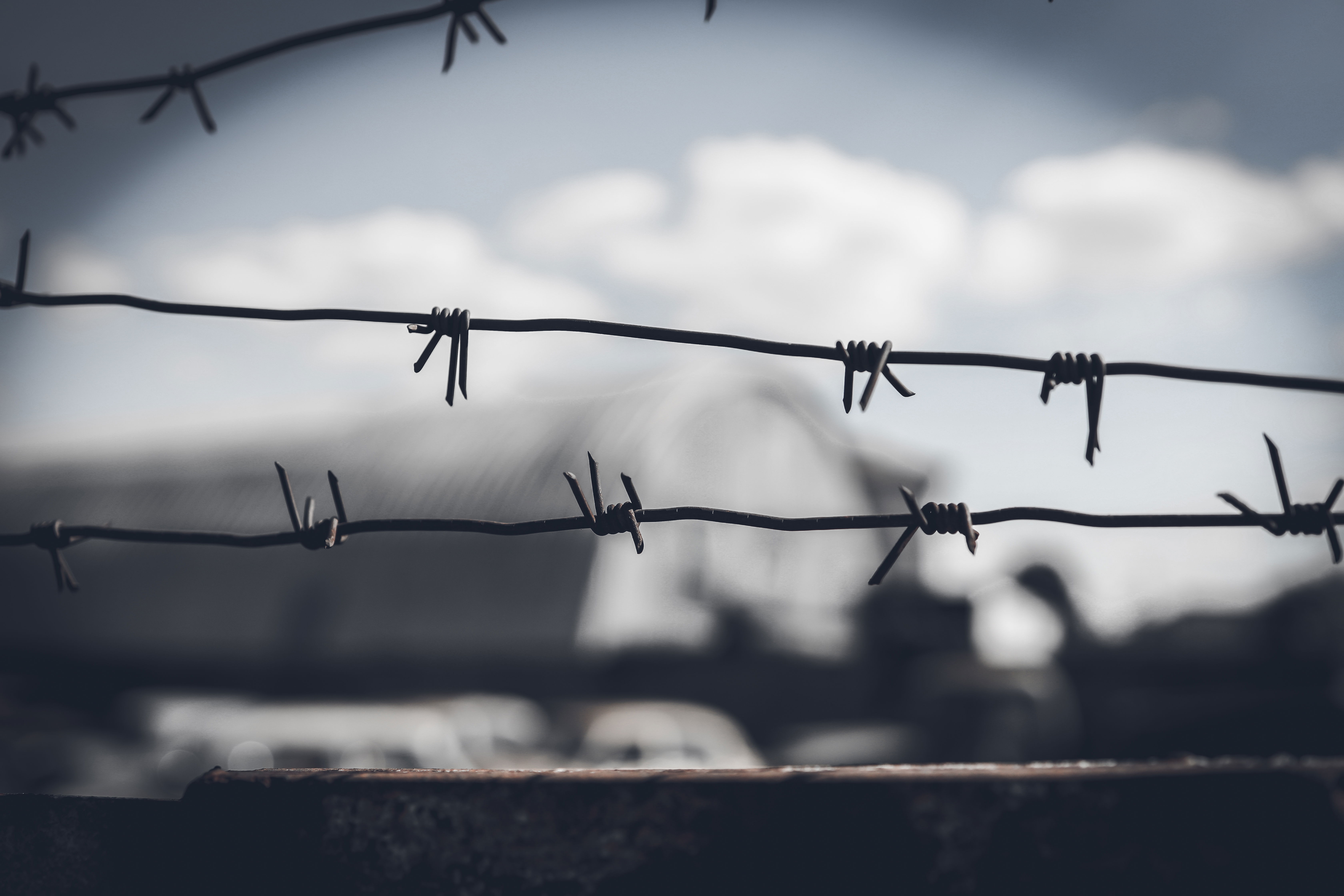
Shoah: A Tragic Chapter in History
The Holocaust, a Hebrew term meaning "catastrophe" or "destruction," represents the genocide of the Jews during World War II, organized by Nazi Germany with horrific administrative and military precision. Approximately two-thirds of European Jews were exterminated in concentration camps such as Auschwitz, Treblinka, and Sobibór. This historical event, marked by centuries-old anti-Semitism, is one of humanity's darkest warnings.
The power of memory
Remembering the Shoah is not a simple act of commemoration, but an active process that helps to:
- Preventing History from Repeating Itself: Understanding the roots of hatred, intolerance, and totalitarian systems is essential to preventing their return.
- Honoring the Victims: Giving a voice to those who have not been able to tell their stories is an act of respect and humanity.
- Educating the new generations: Only through knowledge can we cultivate empathy, solidarity, and mutual respect.

Tools to not forget
Today we have many ways to keep the memory of the Shoah alive:
- Books and testimonies: Works such as Primo Levi's If This Is a Man and The Diary of Anne Frank offer us an intimate look at this tragedy.
- Films and documentaries: Films such as Steven Spielberg's Schindler's List and Roberto Benigni's Life is Beautiful powerfully convey the human drama experienced in concentration camps.
- Holocaust Remembrance Day: Celebrated annually on January 27 , this international observance is a time to reflect and renew our commitment to fighting all forms of hatred and discrimination.
Why it is important to remember
Memory is the foundation of civilization. Without it, we risk losing our way, repeating the same mistakes, and losing our humanity. Remembering the Shoah means opposing indifference, denial, and superficiality,
